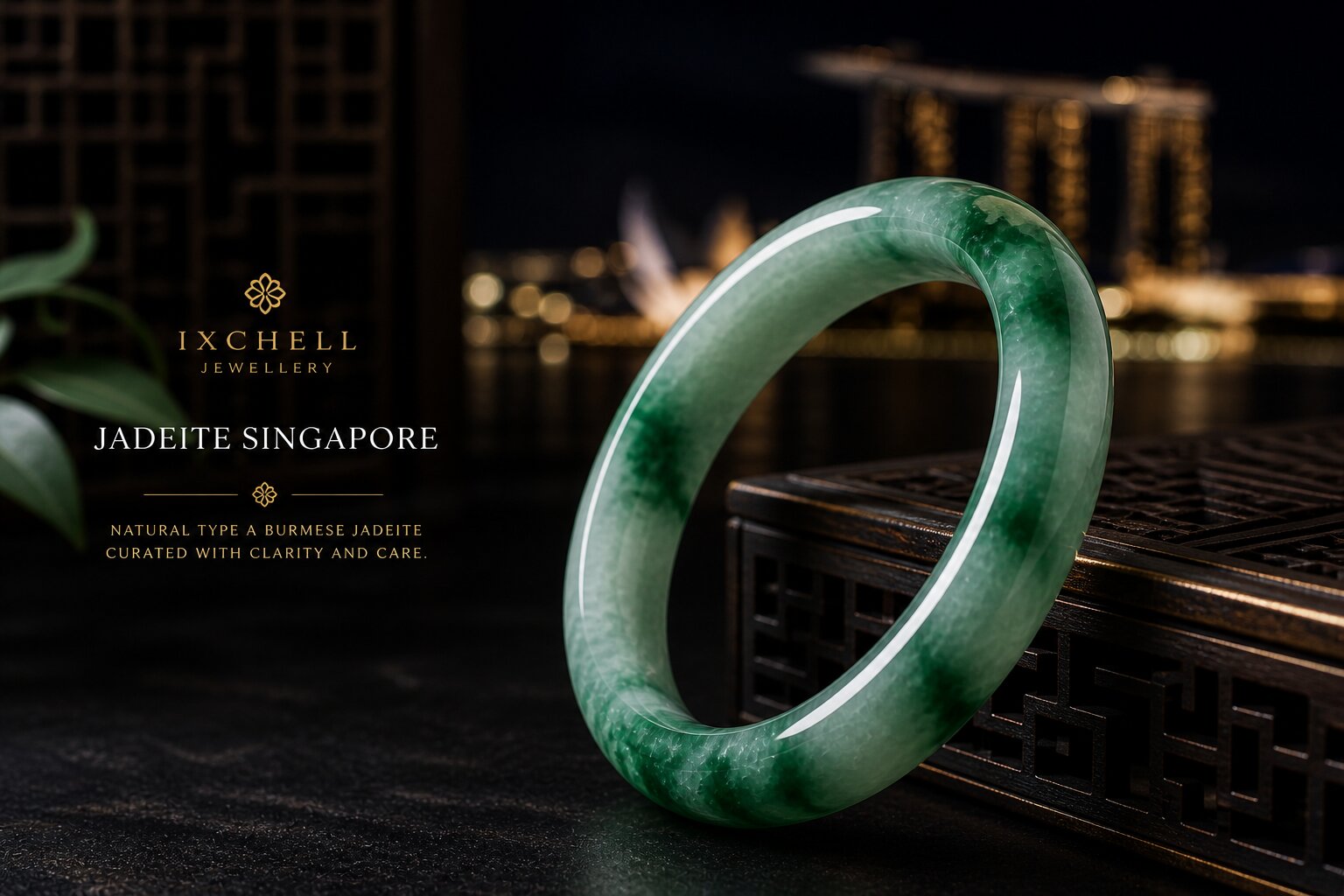
Natural Type A Burmese jadeite jewellery under dramatic lighting
Ixchell Jewellery Guide

Why Does Jadeite
Look Different In Person?

Because jadeite is not a flat colour. It is light, structure, translucency, skin tone, polish and human perception all politely arguing at once.

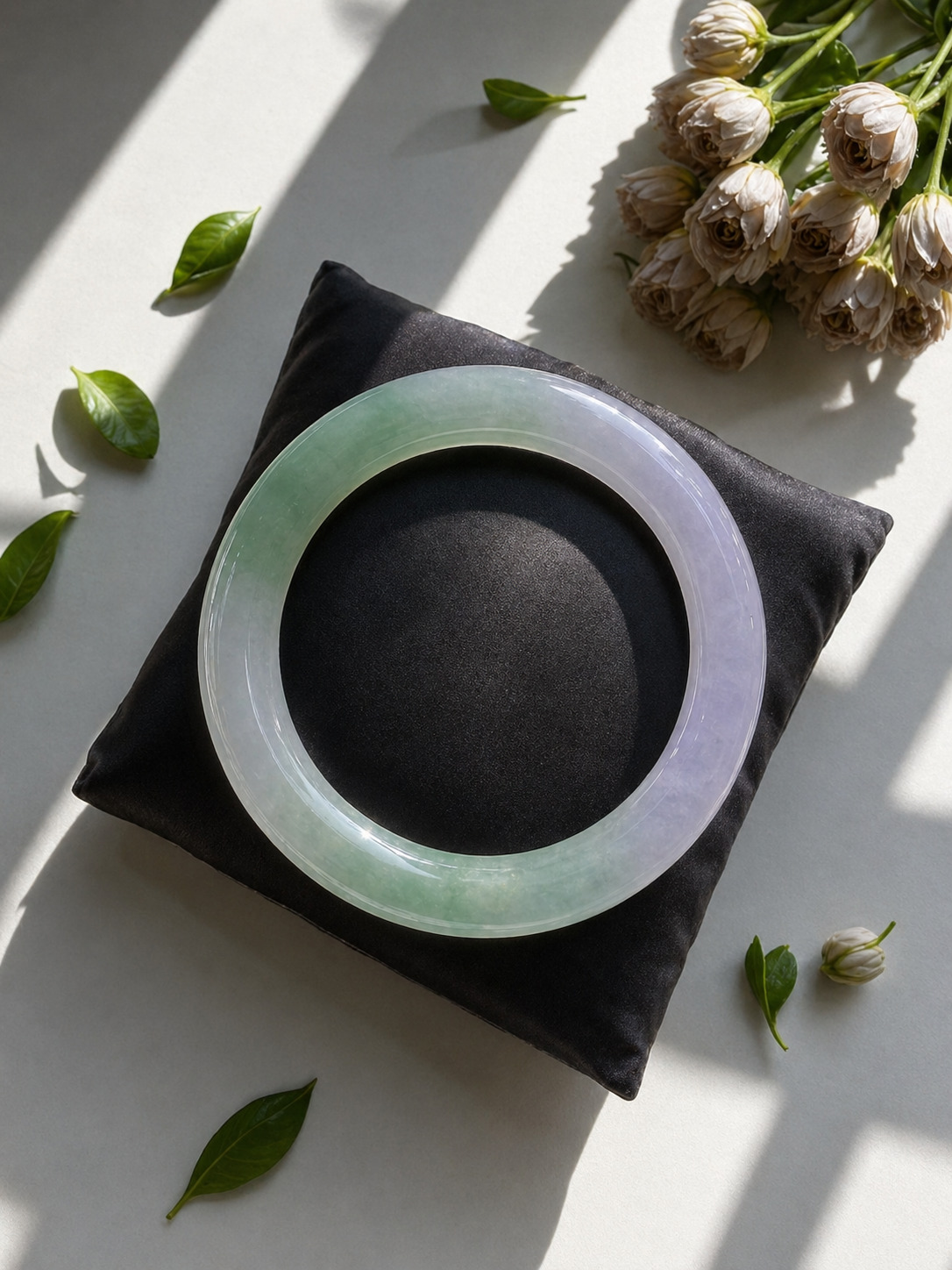
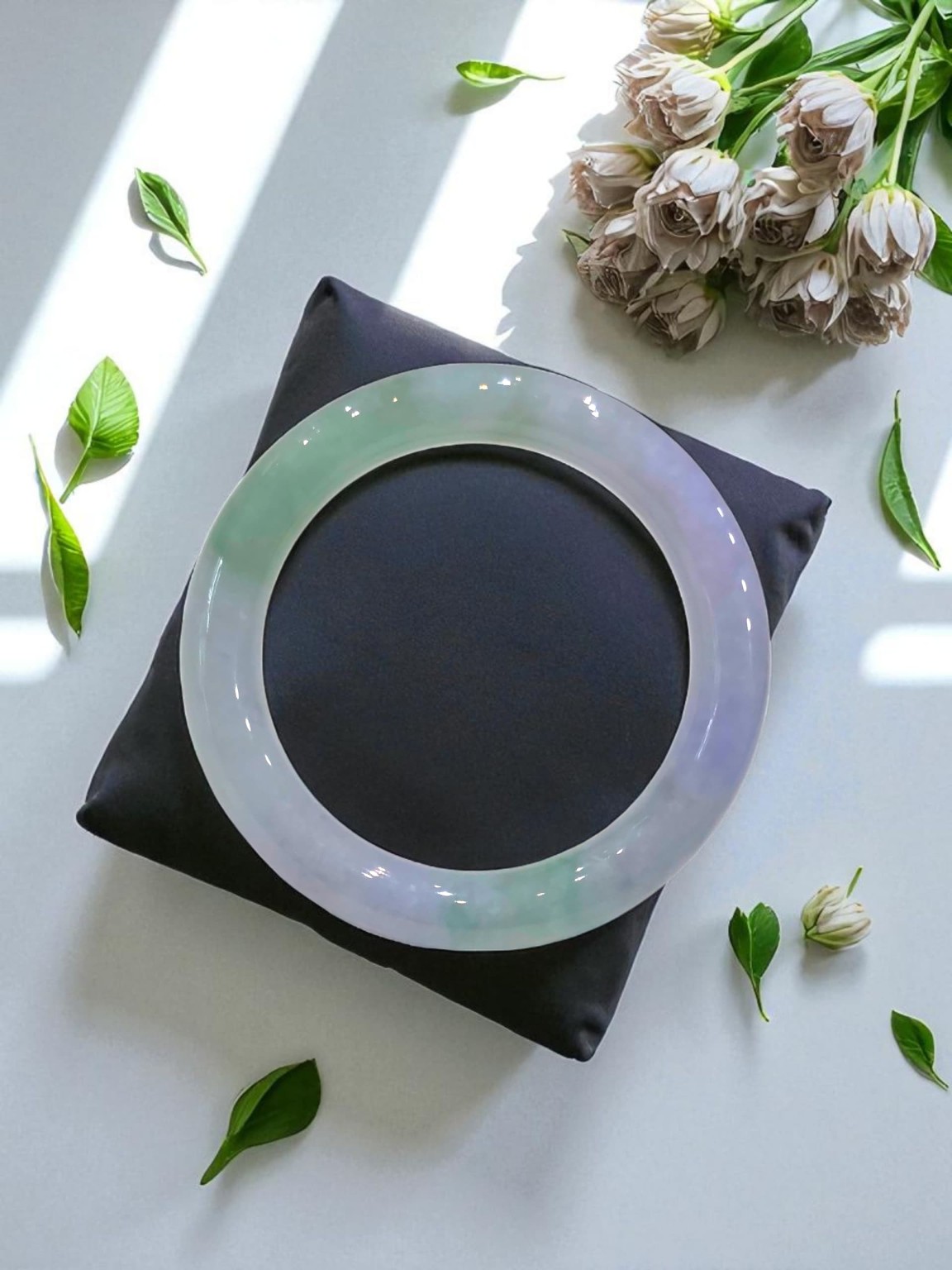
Natural jadeite bangle showing lavender green and icy tones under light
Quick Answer

Jadeite changes because light travels through it differently.

Jadeite may look different in person because its colour is affected by lighting, translucency, surface polish, surrounding reflections, skin tone and even camera processing.

Unlike a painted object, fine jadeite does not simply sit there as one fixed colour. Light enters the stone, bends, scatters and returns softly outward. This is why jadeite can appear brighter outdoors, moodier indoors or warmer against the skin.

In simpler English, good jadeite has mood swings. Fortunately, the elegant kind.
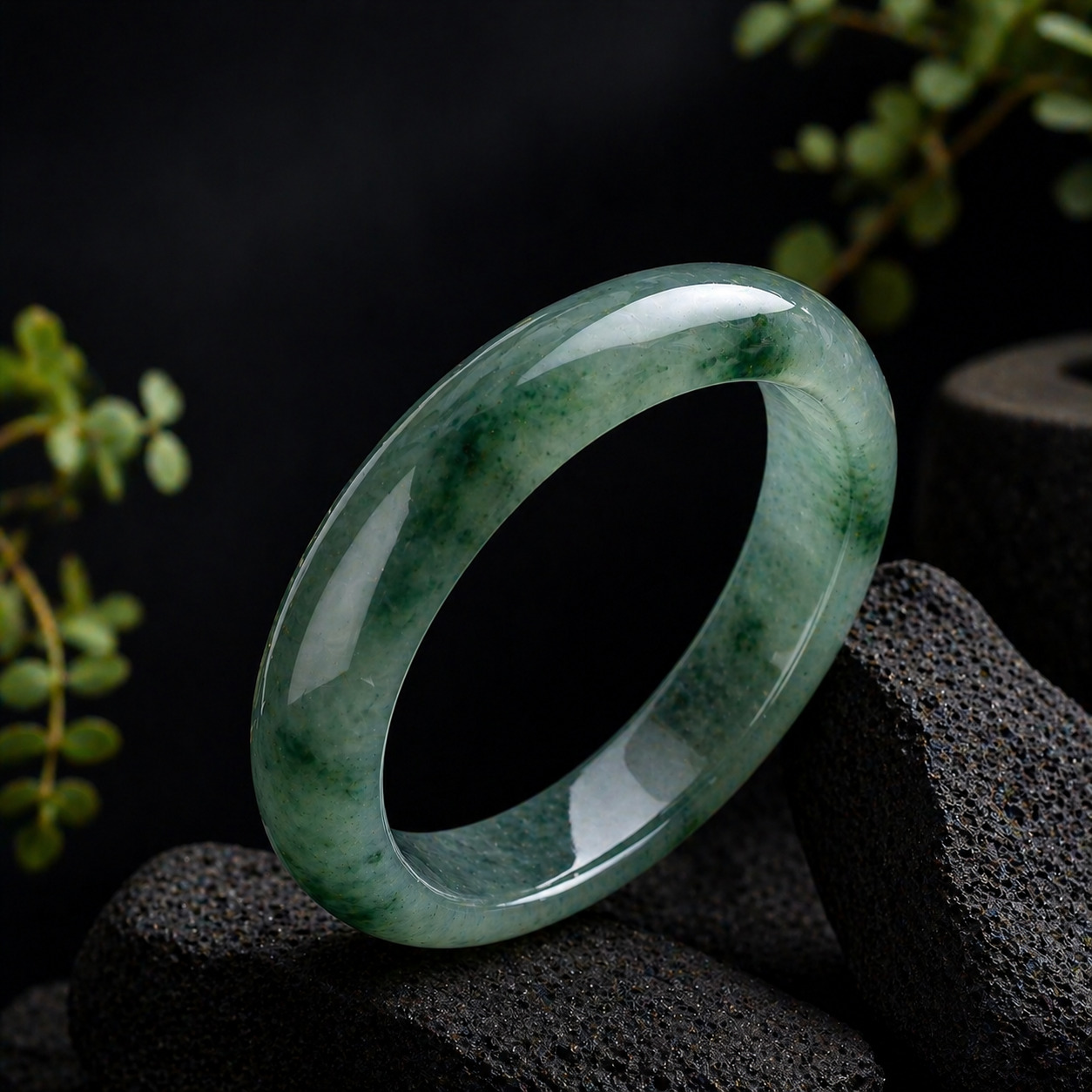
Jadeite bangle under darker indoor lighting showing mood and translucency
Light & RI 1.66

What does refractive index 1.66 have to do with jadeite?

Fine jadeite typically has a refractive index around 1.66. Gemologists use this as one of the identifying indicators for jadeite.

In ordinary language, refractive index explains how light bends when it enters the stone. This helps explain why fine jadeite may appear luminous, watery or quietly glowing rather than flat.

When light behaves beautifully inside jadeite, the stone can look slightly different from one angle to another. This is not trickery. It is mineral physics wearing a very nice outfit.

Daylight

Natural Light

Daylight often reveals jadeite more honestly because it contains a fuller range of light. Green tones may look clearer, icy areas may appear brighter and translucency becomes easier to observe.

Warm Indoor Light

Yellow Light

Warm lighting can make lavender, honey, yellow and green tones appear softer or richer. It may also make some jadeite look slightly deeper than it appears outdoors.

White LED

Cool Light

Cool white LED lighting may sharpen contrast and make certain jadeite look brighter, but it can also flatten subtle warmth. Rather efficient, but not always romantic.

Natural Burmese jadeite jewellery displayed in Singapore boutique lighting
Translucency

Why does translucent jadeite feel more alive?

Translucency means light can partially enter the jadeite rather than only bouncing off the surface. This gives fine jadeite its soft internal glow.

Highly translucent Type A jadeite may appear icy, watery or quietly radiant because light travels through its natural crystal structure before returning to the eye.

This is why a good piece can look calm in a photograph, then suddenly feel alive when turned gently under daylight. It has not changed. You have finally seen more of it.

Jadeite bangles displayed in Singapore showing different tones and surface polish
Surface, Polish & Reflection

The surface changes what your eye receives.

Jadeite is polished, not painted. A smooth surface reflects surrounding light, colour and shadow, while the internal structure controls how much light enters the stone.

A well-polished jadeite bangle may look brighter after gentle cleaning simply because the surface allows light to behave more clearly.

This is one reason neglected jadeite may look duller, while a properly worn and cared-for piece appears richer, smoother or more luminous over time.

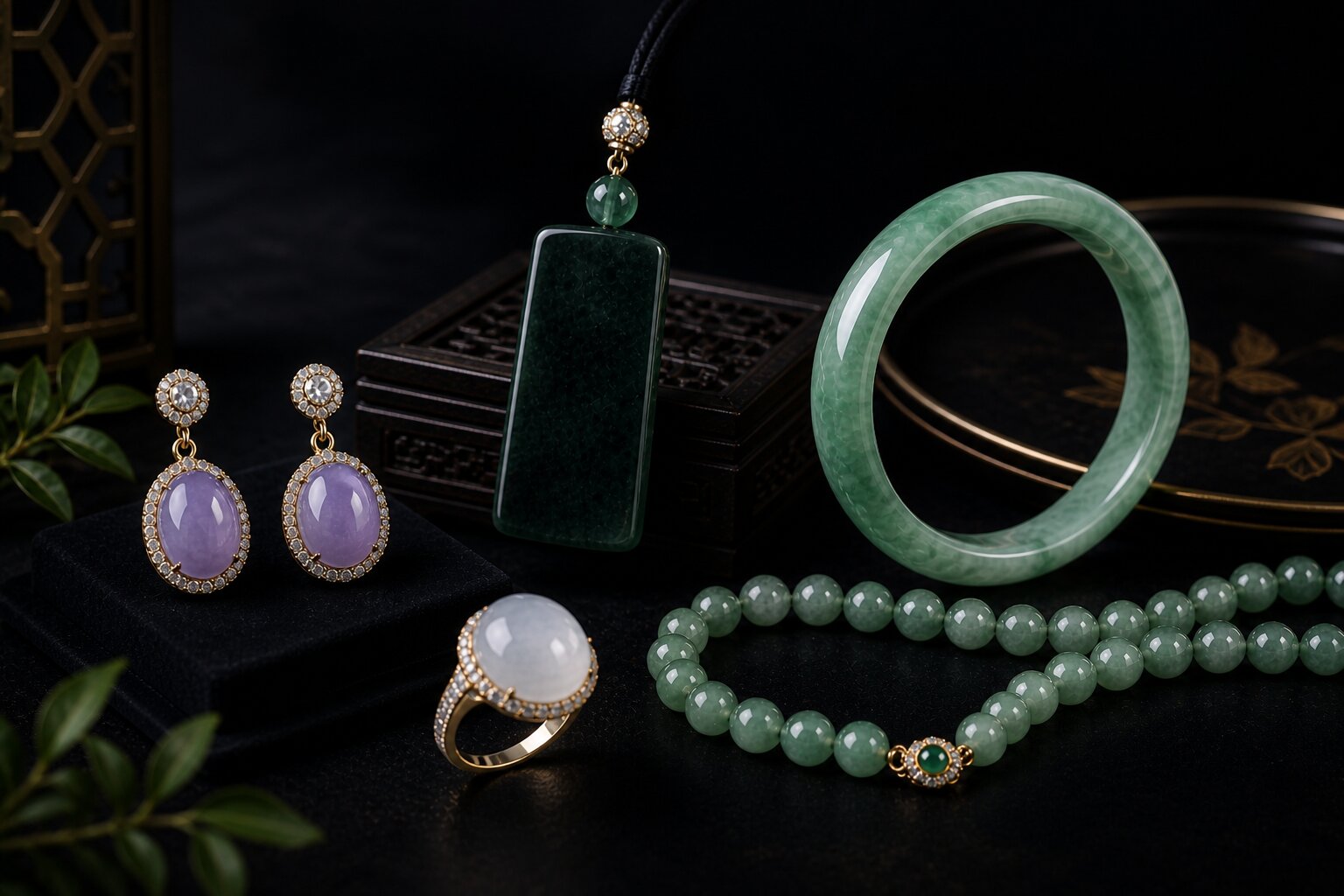
Jadeite jewellery display in Singapore with bangles rings pendants and bead necklace
Skin Tone & Body Warmth

Why does jadeite look different on the wearer?

Jadeite sits directly against the skin, so skin tone, body warmth, surrounding clothing and natural oils can all influence how the colour appears.

Body warmth does not change jadeite’s mineral composition, and it does not magically create new colour. However, warmth, contact and surface condition can affect how light interacts visually with the stone.

A lavender jadeite may look cooler on one person and warmer on another. A green bangle may appear brighter against certain skin tones. This is not drama. This is optics being personal.

Close view of natural Type A jadeite bangles showing surface and translucency
人養玉 玉養人

Is “people nurture jade, jade nurtures people” only a myth?

The Chinese saying “人養玉,玉養人” is often translated as “people nurture jade, and jade nurtures people”.

Scientifically, jadeite does not transform into a different mineral or generate new colour from nowhere. But long-term wear can influence how jadeite appears because skin oil, moisture, cleaning, warmth and handling may gradually affect the surface condition.

Tiny amounts of natural skin oil may settle into microscopic surface textures and polishing irregularities, making the jadeite appear smoother, richer or more luminous under certain light.

Perhaps the old saying was never merely about magic. Perhaps generations observed real changes in appearance and described them using the most beautiful language they had.

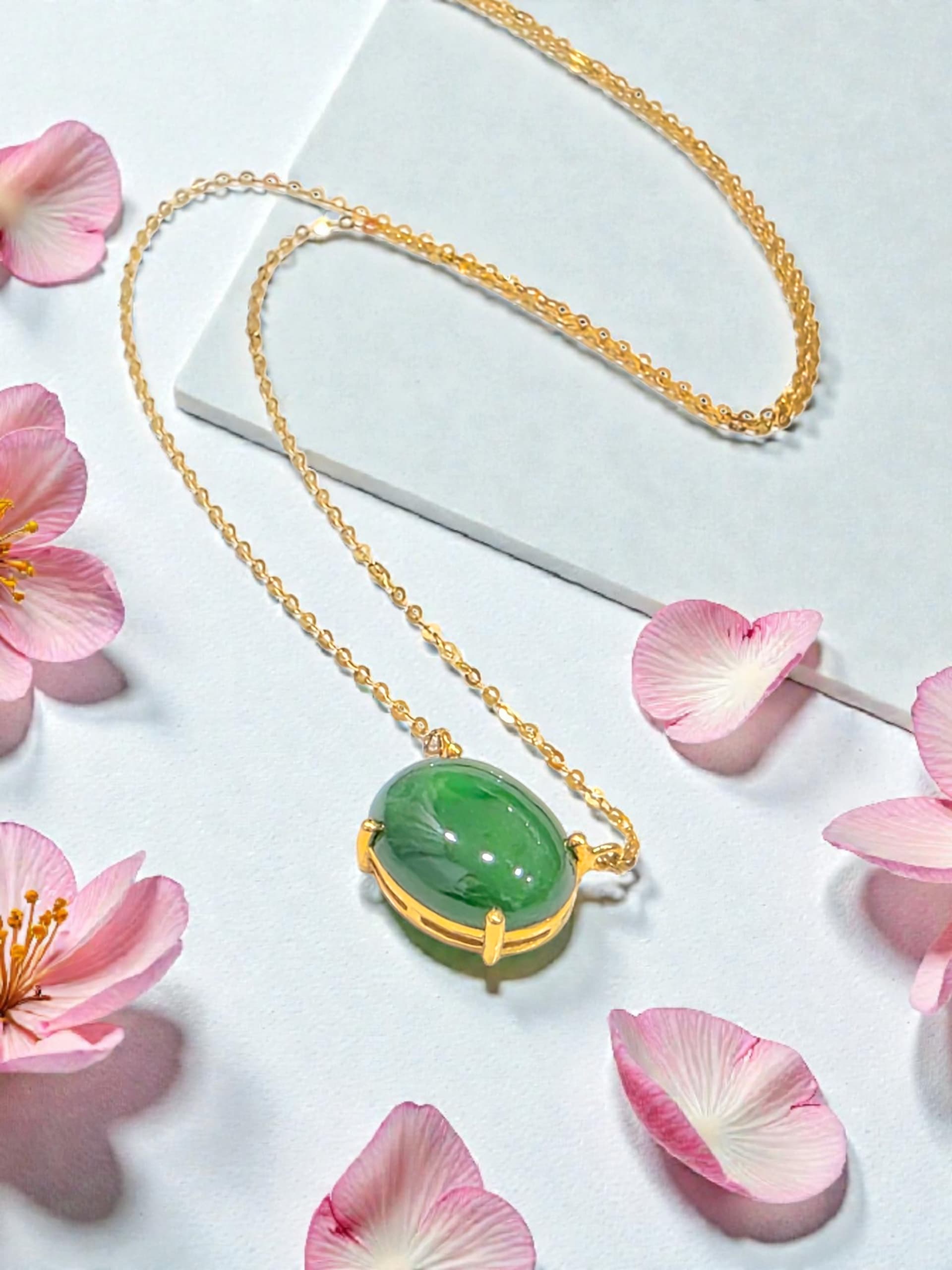
Natural jadeite pendant showing colour transition and heritage character
Culture & Early Observation

Traditional sayings were early ways of explaining observed patterns.

Many traditional beliefs developed long before modern chemistry, mineralogy or optical science had formal language.

Earlier societies often preserved repeated observations through sayings, symbolism and philosophy rather than laboratory vocabulary. They noticed patterns first; scientific explanation arrived later, wearing a lab coat and looking terribly pleased with itself.

The same pattern appears in traditional feng shui. Early people observed sunlight direction, airflow, seasonal heat, landscape form and environmental comfort long before architecture, environmental psychology and climate-responsive design became formal disciplines.

Modern science and traditional systems do not always use the same vocabulary, but they sometimes begin by observing similar human experiences from different historical periods.

Human understanding rarely begins with perfect scientific language. It often begins with observation, curiosity and repeated experience.
Simple Comparison

Why jadeite looks different, without blaming your eyes.

Reason What Happens Simple Explanation
Lighting Daylight, warm light and LED light alter perceived colour. Different light reveals different parts of the stone.
Translucency Light enters the jadeite and returns softly. This creates a glowing or watery appearance.
Surface Polish Polish affects reflection and clarity. A cleaner surface can look brighter.
Skin Tone The wearer’s skin changes how colour is perceived. Jadeite is personal because it is worn directly on the body.
Camera Processing Phones adjust colour, contrast and brightness automatically. Your phone is helpful, but occasionally overconfident.
Ixchell Jewellery Singapore jadeite viewing and collection display
Human Eye vs Camera

Why photos never tell the full jadeite story.

Phone cameras automatically adjust white balance, saturation, contrast and exposure. This means two photos of the same jadeite piece may look different even when taken minutes apart.

The human eye is also more adaptive than a camera. It reads depth, glow, surface, movement and colour shifts in real time.

This is why jadeite should be viewed in person, especially when choosing bangles, rings, pendants or collector pieces. Photographs can introduce jadeite. They cannot fully explain it.

Natural jadeite jewellery under boutique lighting in Singapore
Collector Insight

Why better jadeite may appear more changeable.

Higher-quality Type A jadeite often looks more dynamic because translucency, colour distribution and crystal structure respond more beautifully to changing light.

A flat stone may look nearly the same everywhere. A more lively jadeite piece may shift subtly from daylight to indoor light, from hand to tray, from photograph to real viewing.

That changeability is not always a problem. In fine jadeite, it can be part of the charm.

Jadeite is best viewed, not guessed.

If jadeite looks different in person, it may not mean something is wrong. It may simply mean the stone has depth, translucency and